Pete Hegseth Wants to Investigate Senator Mark Kelly: Again
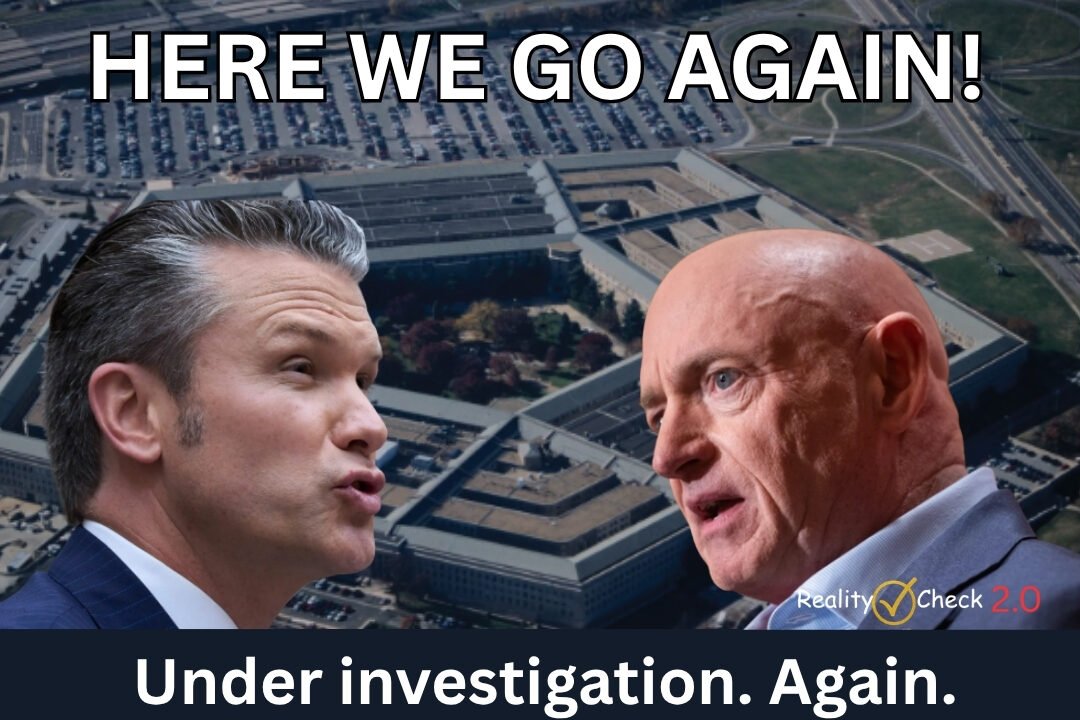
Senator Mark Kelly is once again clashing with the Pentagon after Defense Secretary Pete Hegseth ordered a review into comments Kelly made about American weapons stockpiles during a recent television interview. The dispute centers on whether Kelly improperly discussed sensitive information tied to military readiness and ongoing international tensions.
Kelly appeared on CBS and spoke about the challenges involved in replacing advanced weapons systems being used overseas. He warned that replenishing some munitions could take years, especially as global conflicts continue, placing pressure on American manufacturing and defense supply chains. His comments came during growing public concern about the expanding conflict involving Iran and the long-term cost of military involvement abroad.
Hegseth responded sharply. He accused Kelly of publicly discussing information that may have been learned during classified briefings and announced that Pentagon lawyers and officials would review the matter. Supporters of the investigation argue that senators with access to sensitive military information carry a responsibility to avoid discussing anything that could indirectly help foreign adversaries or expose weaknesses in American defense planning.
Kelly pushed back almost immediately. He argued that much of the information he referenced had already been discussed publicly during Senate hearings and by Pentagon officials themselves. He also defended his remarks as part of a senator’s duty to be honest with the American public about military readiness and the realities of prolonged foreign conflicts.
The fight quickly became political because this is not the first public clash between Kelly and Pentagon leadership this year. Earlier in 2026, Kelly criticized efforts within the administration that he believed blurred the line between lawful military authority and political loyalty. He publicly reminded service members that they are not required to follow illegal orders, something deeply rooted in military law and training.
The Pentagon’s response to those remarks raised eyebrows across the political spectrum. Officials reportedly explored reducing Kelly’s military retirement rank and benefits over the comments. A federal judge later blocked the effort, while an appeals court appeared skeptical of the Pentagon’s legal argument during recent hearings.
That history is fueling accusations that the latest investigation is less about protecting classified information and more about punishing criticism from a political opponent. Critics argue that the administration appears increasingly hostile toward dissent, especially when it involves military policy or foreign affairs. Even some people who normally support aggressive national security measures have questioned whether the Pentagon is overreaching.
The controversy also lands at a time when Americans are already frustrated with rising military spending and growing international tensions. Many voters are watching prices climb at home while Congress continues approving billions for overseas conflicts and weapons production. Kelly’s comments about stockpiles touched directly on that anxiety because they highlighted the strain that modern warfare places on military resources and manufacturing capacity.
Defense analysts have acknowledged similar concerns for years. Advanced missile systems and precision-guided weapons are expensive, difficult to replace quickly, and dependent on complicated supply chains. Pentagon officials themselves have testified publicly about production limits and the challenge of sustaining long-term military commitments while maintaining readiness for other potential conflicts.
That reality is part of why the Pentagon investigation has drawn so much attention. If the information Kelly discussed was already public, critics ask why the administration reacted so aggressively. To them, it creates the appearance that controlling political messaging has become just as important as protecting actual classified information.
Supporters of Hegseth reject that criticism. They argue that lawmakers with access to classified briefings must exercise caution even when discussing information that overlaps with public knowledge. In their view, public confirmation from someone sitting in classified meetings can still reveal valuable information to adversaries.
The larger issue extends beyond Kelly himself. The controversy reflects a broader debate over transparency, dissent, and how much room elected officials should have to openly criticize military policy during periods of international tension. Governments have always tried to tightly control information during conflicts, especially when public support begins to weaken or political divisions deepen.
What makes the situation more volatile now is how quickly every disagreement becomes framed as either patriotic loyalty or dangerous opposition. That atmosphere leaves little space for nuanced debate. Instead, political figures are increasingly pressured to either fully support military leadership or risk being treated as a problem to investigate.
For many Americans, that growing dynamic may be more concerning than the original comments themselves.